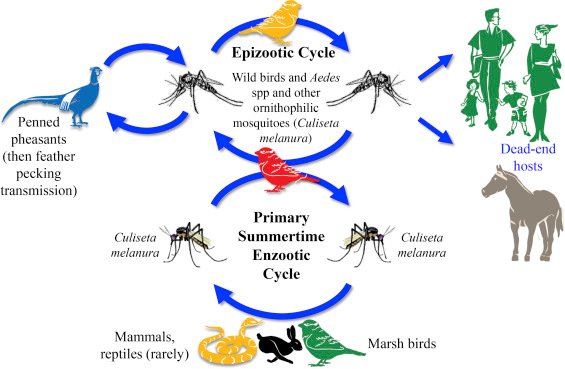
The Eastern Equine Encephalitis (EEE) virus, though rare, has been confirmed in mosquitoes in the north eastern United States, prompting increased vigilance across affected areas. EEE is a highly dangerous virus transmitted primarily through mosquito bites. It can infect both humans and animals, causing severe health issues. What makes EEE particularly deadly is its potential to cause serious brain inflammation, leading to significant health complications and, in some cases, death.
What are the Symptoms of EEE?
While most individuals infected with EEE may not show symptoms, those who do can experience fever, severe headaches, and dangerous brain inflammation. The Centers for Disease Control and Prevention (CDC) reports that about one-third of those who develop severe illness from EEE will die. Survivors may face long-term neurological damage, including cognitive impairments and physical disabilities.
How is EEE Prevented?
There is currently no vaccine or specific treatment for EEE, making prevention crucial. Health officials in Massachusetts, where several areas have been declared high-risk zones, are urging the public to take preventive measures seriously. These include:
- Avoiding outdoor activities during evening hours, when mosquitoes are most active.
- Using insect repellents to reduce the risk of mosquito bites.
- Wearing protective clothing that covers the skin.
- Ensuring windows and doors are properly screened to keep mosquitoes out of homes.
- Authorities are also deploying insecticides in high-risk areas to control mosquito populations.
How Common is EEE—and is There a Cure?
EEE is extremely rare, with only a handful of cases reported annually in the United States. The virus was first identified in horses in Delaware, Maryland, and Virginia in 1933. While human cases are uncommon, experts are concerned that climate change could increase the spread of mosquito-borne diseases like EEE. Warmer and more humid conditions may create environments where mosquitoes thrive, potentially leading to more frequent outbreaks.
As of now, there is no cure for EEE, and treatment is limited to supportive care to manage symptoms and complications. Given the virus’s severity, public health officials emphasize the importance of prevention and community awareness to protect against this deadly virus.
In light of the recent confirmations of EEE, authorities continue to monitor the situation closely and urge residents in affected areas to remain vigilant and adhere to recommended safety measures.