

Introduction
Technological advancements, particularly in automation and artificial intelligence (AI), have reshaped industries worldwide, driving economic growth and increasing productivity. However, recent findings from the International Labour Organization (ILO) suggest that these advancements may also be contributing to a significant reduction in workers’ income share. While global productivity has surged, wages have not kept pace, exacerbated inequality and raising concerns about the future of workforce.
The ILO Report: Key Findings
According to a comprehensive report by the ILO, from 2004 to 2024, global worker productivity increased by 58%, yet their share of income grew by only 53% over the same period (UN News). This disparity indicates that the benefits of technological advancements are disproportionately accruing to capital owners and corporations rather than the workforce. In some of the world’s most industrialized nations, income inequality has widened as a result.
The report further states that global labour income as a proportion of total global income declined by 0.6 percentage points between 2019 and 2022, remaining flat ever since. The ILO estimates that this represents an annual shortfall of $2.4 trillion in global income, with almost 40% of the decline occurring during the three years of the COVID-19 pandemic (UN News).
Automation, AI, and the Shrinking Labor Share
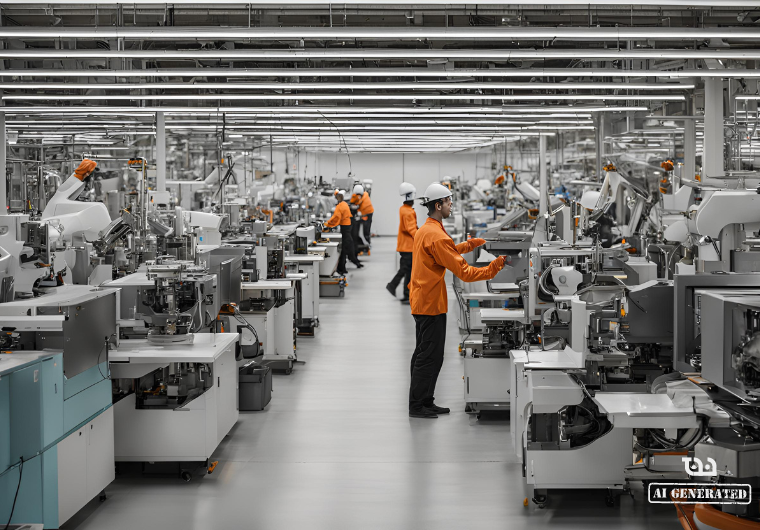
The rise of automation and AI has significantly impacted labour markets. Tasks that were once labour-intensive have become automated, reducing the demand for human workers in certain sectors. AI, in particular, is replacing jobs that require repetitive tasks, data analysis, and even customer service. While these technologies enhance productivity and reduce costs for businesses, they have led to job displacement and stagnant wage growth for workers in affected industries.
A key concern highlighted by the ILO is the potential for further downward pressure on wages due to the continued evolution of generative AI. Without proper policy interventions, the benefits of AI could be concentrated in the hands of a few, leaving workers with fewer job opportunities and lower bargaining power (UN News).
Unequal Distribution of Benefits
The report stresses that while technological progress has led to a more efficient economy, it has not been accompanied by equitable distribution of wealth. Corporations and industries that have embraced automation and AI have seen profit margins increase, but much of this wealth has been retained by shareholders and top executives rather than being passed down to employees.
In highly industrialized countries, where data was sourced for the report, labour’s share of income has shrunk. Workers are contributing more to the global economy, but they are receiving a smaller portion of the financial rewards. This trend is particularly pronounced in countries with weak labour protections and where unions have limited influence (UN News).
The Role of Policy and Government Intervention
Experts argue that policy changes are crucial to reversing this trend. Governments can implement measures such as strengthening labour rights, ensuring fair wages, and promoting collective bargaining to help workers secure a greater share of the economic benefits generated by AI and automation. Additionally, investing in worker reskilling and education can help mitigate the negative impact of job displacement caused by technology.
The ILO calls for a “rebalancing” of the global economy to ensure that technological progress does not come at the expense of workers’ livelihoods. This includes enacting policies that regulate AI deployment, provide safety nets for displaced workers, and promote inclusive growth(UN News).
The Future of Work
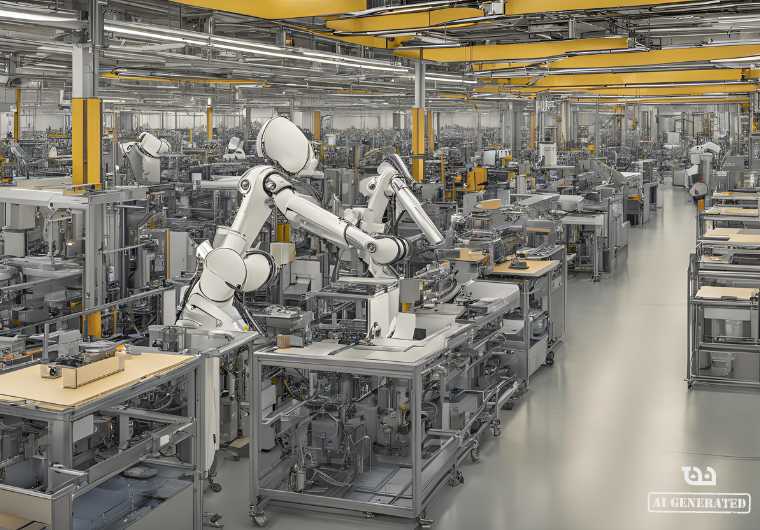
Looking forward, the challenge is not just in addressing the immediate impact of automation and AI but also in preparing for future disruptions in the labor market. Emerging technologies such as AI-powered robotics, autonomous vehicles, and blockchain could further reshape the global economy. As these technologies become more prevalent, there is an urgent need for governments, businesses, and international organizations to collaborate on strategies that ensure that workers are not left behind.
Furthermore, experts warn that if the current trend continues unchecked, it could lead to increased social unrest, political instability, and further economic inequality.
Conclusion
The ILO report paints a stark picture of the challenges posed by technological advancements. While AI and automation have the potential to drive economic growth, they also risk leaving workers behind. Governments and policymakers must act swiftly to create a fair and inclusive economy that ensures all workers share in the benefits of progress. Without intervention, the gap between productivity and wages will continue to widen, fuelling inequality and undermining social cohesion.
By addressing these issues head-on and implementing forward-thinking policies, the world can harness the power of technology to create a more equitable future for all.


